
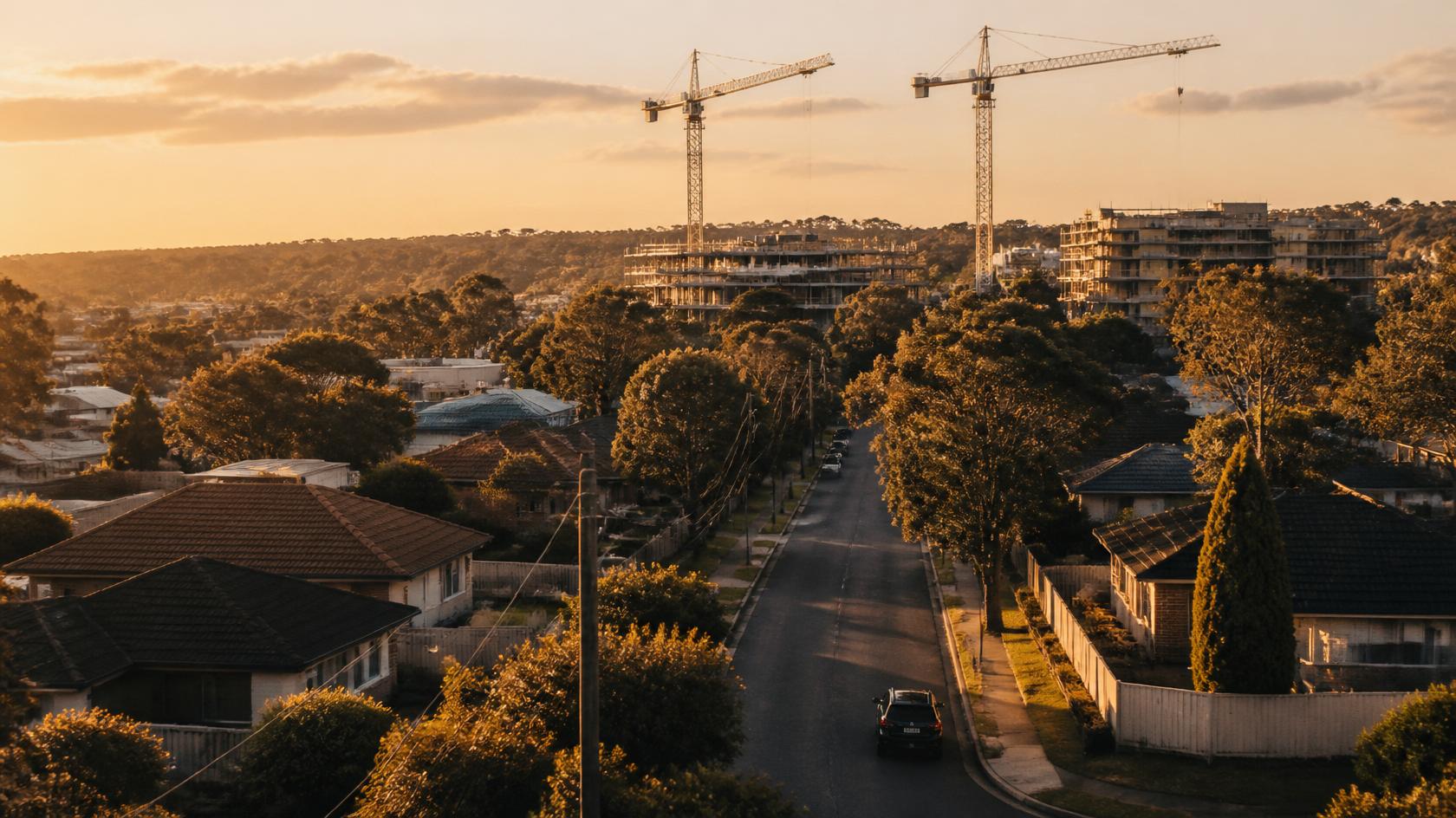
Western Sydney has absorbed a large share of the city’s growth over the past decade, driven by relative affordability and a wave of infrastructure investment. For buyers priced out of the inner and eastern suburbs, understanding which parts of the west are backed by genuine structural growth drivers — rather than short-term hype — is the key research task.
What Actually Drives Growth in a Suburb
Before naming specific areas, it’s worth being clear on what genuinely moves prices over the medium term: transport infrastructure (new train lines, motorway upgrades), employment access (proximity to job precincts, not just the CBD), planned rezoning or density uplift, school catchments, and simple supply constraint — suburbs where there’s genuinely limited land left to develop tend to hold value better than areas facing a continuous pipeline of new supply.
The Western Sydney Airport / Aerotropolis Effect
The Western Sydney International Airport and the surrounding Aerotropolis development is the single largest infrastructure catalyst in the region, expected to generate substantial direct and flow-on employment once operational. Suburbs within a reasonable commute of the airport precinct — without being so close as to face aircraft noise overlay restrictions — have drawn sustained buyer and investor interest as a result.
Metro and Rail Corridor Suburbs
Ongoing extensions and upgrades to Sydney’s metro and rail network continue to reshape which Western Sydney suburbs offer a genuinely fast commute into the CBD or key employment hubs. Suburbs that gain a new or upgraded station, particularly ones that previously relied on bus-only or lengthy multi-modal commutes, have historically seen renewed buyer interest once a station is confirmed and again once it opens.
Established vs Emerging Suburbs
It’s worth distinguishing between established Western Sydney suburbs with a long track record (schools, shops, transport already in place) and emerging release areas still being built out. Established suburbs typically carry a higher entry price but lower construction and settlement risk; emerging areas can offer more affordable entry but require closer scrutiny of the delivery timeline for promised infrastructure, since delays are common in large-scale release areas.
Questions to Ask Before Buying in a “Growth Suburb”
- Is the infrastructure driving the growth story already funded and under construction, or still at a proposal stage?
- What’s the supply pipeline — how much new stock (particularly medium and high-density) is approved or under construction nearby?
- Does the suburb have genuine owner-occupier appeal (schools, retail, green space), or is demand purely investor-driven?
Getting Local, Current Detail
Suburb-level growth stories shift as projects are delivered, delayed, or rezoned, so treat any specific suburb list — including general commentary like this — as a starting point for your own research rather than a final answer. Checking current planning portal data for the specific suburb and a recent local sales history is worth doing before treating any suburb as a settled “growth pick.” Buyers agents with a genuinely local focus, such as those at Aus Property Professionals, track this kind of infrastructure and supply data closely as part of investor-focused research.
For a broader look at how Sydney’s market moves in cycles — useful context for timing a Western Sydney purchase — see our guide on understanding Sydney’s property market cycles.
Frequently Asked Questions
How do I check if an infrastructure project is actually funded versus just proposed?
State and federal budget papers, and the relevant transport or infrastructure authority’s project status pages, are the most reliable sources — media coverage alone can sometimes overstate how confirmed a project actually is.
Does proximity to the new airport automatically mean strong capital growth?
Not automatically — supply pipeline, existing infrastructure, and genuine owner-occupier appeal all matter alongside proximity, and some areas close to major infrastructure also face a large pipeline of new medium-density supply that can temper growth.
Should I buy in an emerging release area or an established suburb?
It depends on your risk tolerance for construction and delivery timelines versus your budget — established suburbs generally carry less delivery risk but a higher entry price.
Key Takeaway
Growth stories built on funded, under-construction infrastructure hold up differently to ones built on proposals alone. Before treating any suburb as a settled growth pick, check the delivery status of the specific projects driving the story, not just the headline narrative around them.