
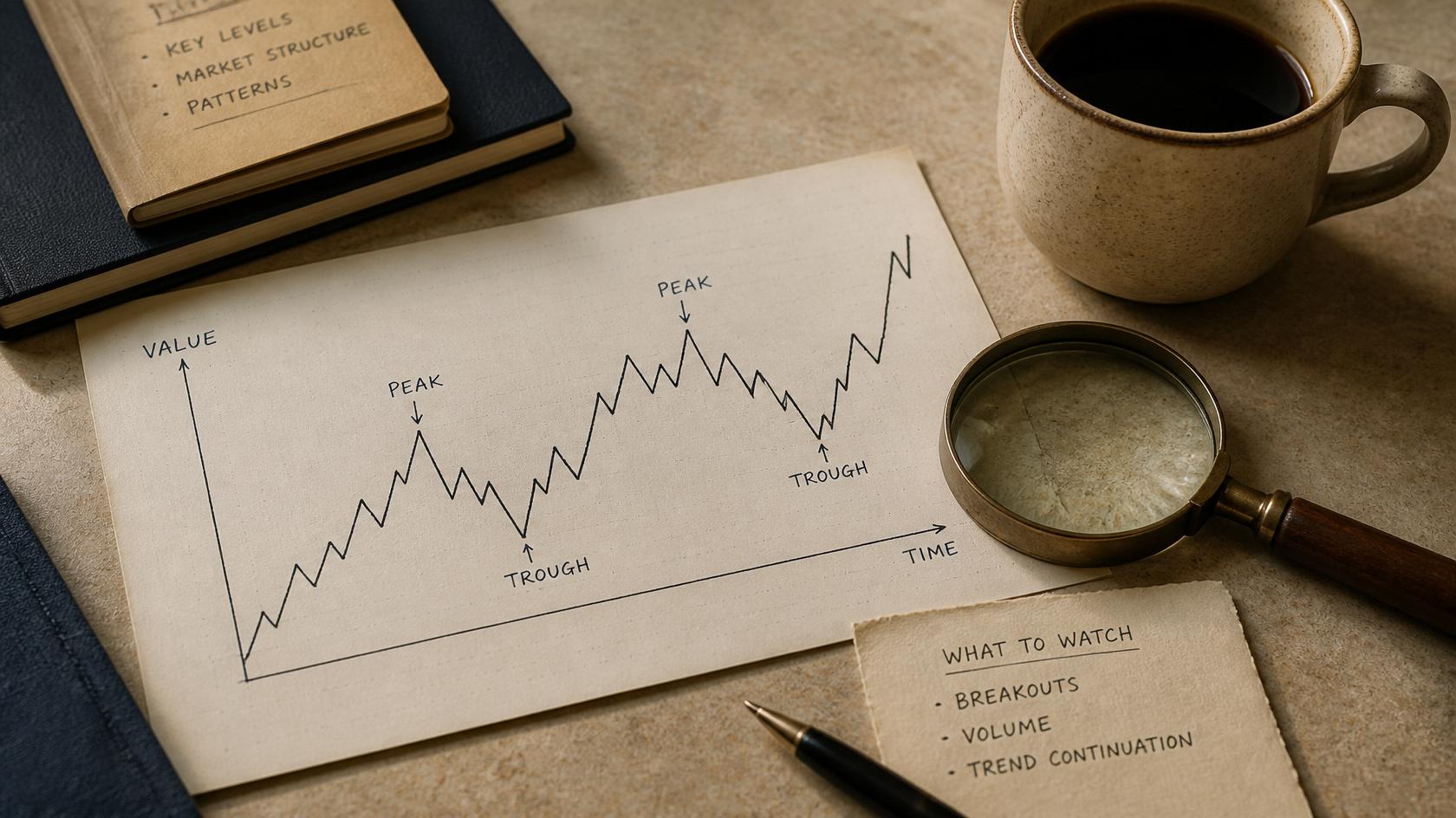
Sydney’s property market has a long history of moving in cycles — periods of sustained growth followed by flatter or declining phases, driven by a mix of interest rates, credit availability, population growth, and construction supply. Understanding the broad shape of these cycles won’t let you perfectly time a purchase, but it does help you interpret what’s happening around you and avoid some common timing mistakes.
The Broad Phases of a Property Cycle
Property cycles are typically described in four rough phases: a recovery phase (prices stabilise after a downturn, buyer confidence slowly returns), an upturn or boom phase (strong price growth, high auction clearance rates, competitive bidding), a peak or slowdown phase (growth decelerates, more stock sits on market longer), and a downturn (prices flatten or fall, buyer leverage increases). Sydney has moved through several full cycles over recent decades, though the length and intensity of each phase varies considerably.
What Drives Sydney’s Cycle Specifically
Beyond national factors like interest rates and lending policy, Sydney’s cycle is shaped by its own supply constraints (geographic limits, planning controls in established suburbs), strong population growth relative to new housing supply, and its role as a major destination for both interstate and overseas migration. This combination has historically made Sydney’s upswings sharper and its downturns comparatively shorter than some other Australian capital cities, though this pattern isn’t guaranteed to repeat in every cycle.
Reading Where the Market Sits Right Now
A handful of indicators are worth tracking to get a feel for which phase of the cycle a specific suburb or the broader Sydney market is in: auction clearance rates (persistently above roughly 65–70% generally signals a stronger seller’s market, while rates below 50% suggest more buyer leverage), days on market for comparable listings, and the gap between initial asking price and final sale price. No single indicator tells the whole story, but together they give a reasonable read on current conditions.
Should You Try to Time the Market?
Trying to pick the exact bottom of a cycle is genuinely difficult, even for professionals who track this data daily — and waiting for a “perfect” entry point often means missing genuine opportunities in the meantime. A more practical approach for most owner-occupier buyers is to focus on affordability and suitability for your own circumstances (can you comfortably service the loan, does the property suit your medium-term needs) rather than trying to perfectly time the cycle. Investors weighing entry timing more heavily may benefit from a professional read on current conditions — buyers agents who track cycle data across multiple suburbs day-to-day, rather than relying on headline city-wide figures, can offer a more granular view.
A Practical Takeaway
Rather than trying to call the top or bottom of the cycle, focus on the fundamentals that matter regardless of timing: genuine due diligence (see our due diligence checklist), a realistic read on your borrowing capacity, and a property that suits your needs for at least the medium term. Cycle timing is one input among several — not the whole decision.
Frequently Asked Questions
Where can I find reliable, current auction clearance rate data for Sydney?
Domain and CoreLogic both publish weekly auction clearance rate data for Sydney, broken down by region, which is a reasonable starting point for tracking current conditions.
Does a national interest rate change affect every Sydney suburb equally?
No — different suburbs and price segments often respond at different speeds and intensities to the same rate change, depending on local buyer profile, supply levels, and existing price momentum.
Is it better to buy during a downturn even if prices might fall further?
A downturn generally offers more negotiating leverage and less competition, but timing the exact bottom is unreliable even for professionals — affordability and suitability for your own circumstances should carry more weight than trying to perfectly time the cycle.
Further Resources
For historical home value index data and cycle tracking across Sydney, see CoreLogic. For context on how interest rate decisions influence the broader cycle, see the Reserve Bank of Australia.
Watch: Sydney’s Property Market Cycle Explained
Search YouTube for “Sydney property market cycle explained” and choose a video from an established property data provider or economist. Replace the placeholder below once you’ve selected one.
Key Takeaway
Reading cycle indicators helps you understand context, not predict the future with precision. For most owner-occupiers, affordability and suitability to your own circumstances should outweigh an attempt to perfectly time your entry against the cycle.
It is also worth remembering that different property types within the same suburb, such as houses versus apartments, can move through the cycle at noticeably different speeds, so broad city-wide or even suburb-wide commentary should always be checked against the specific type of property you are considering.