
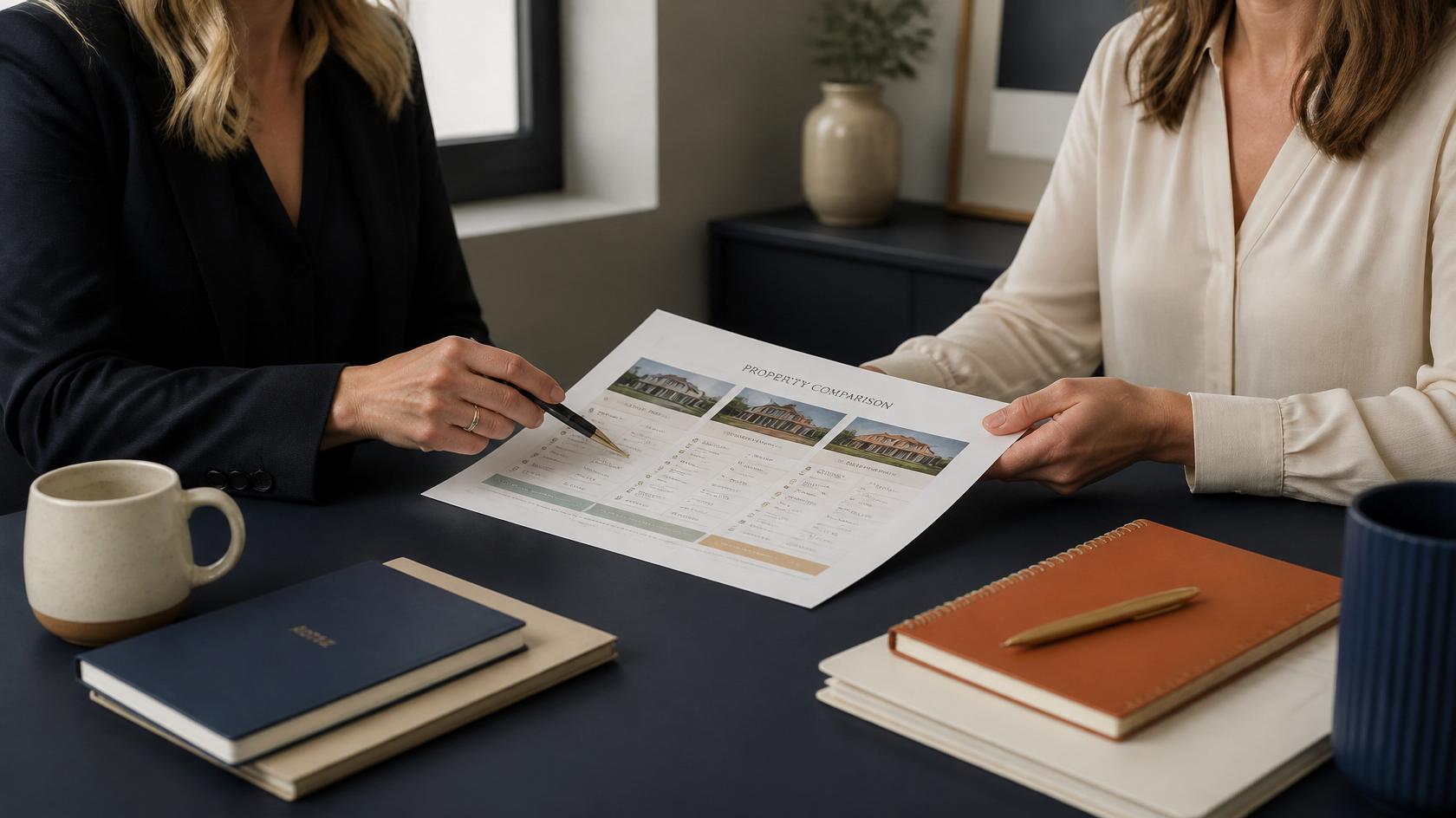
Once you’ve decided a buyers agent is worth engaging, the harder question is which one. The industry has grown quickly in Sydney over the last decade, and the difference between a genuinely specialised operator and someone who’s recently rebranded from selling agent to buyers agent can be significant. Here’s a practical framework for comparing your options.
Check Licensing First
In NSW, buyers agents must hold a current real estate licence issued by NSW Fair Trading, the same licensing framework that covers selling agents. Confirm the individual (not just the business) holds a current licence, and ask how long they’ve personally held it — agency licensing at the business level doesn’t guarantee the person handling your search has deep experience.
Specialisation Matters More Than Size
A buyers agent who works exclusively in, say, the Inner West or the Northern Beaches will typically have a sharper read on fair value and off-market opportunities in that specific area than a generalist covering all of Sydney. If your search is geographically focused, weight local specialisation highly in your comparison.

Fee Structure and Transparency
Ask for the full fee schedule in writing before your first paid engagement, including: the base fee (flat or percentage), what happens if you don’t purchase within an agreed period, whether off-market sourcing incurs an additional cost, and when payment is actually due (on engagement, on exchange, or on settlement). Be wary of vague or verbally-quoted fee structures that aren’t put in writing early.
Track Record and References
Ask directly: how many properties has this agent purchased in the last 12 months, in which suburbs, and can you speak to two recent clients? A buyers agent confident in their track record will have this information ready without hesitation.
Compare Full-Service vs Negotiation-Only Providers
Not every buyer needs the full search-to-settlement service. If you’re comfortable finding properties yourself but want a skilled negotiator or auction bidder, look specifically for buyers agents who offer a negotiation-only or auction-bidding-only tier, rather than paying for a full search service you don’t need.
A Practical Shortlist Approach
Speak to at least two or three buyers agents before committing. Ask each one the same set of questions above, and pay attention not just to the answers but to how directly they’re answered — vague responses on fees or track record are a signal worth taking seriously. Firms like PivotPB are a reasonable starting point for this kind of comparison conversation, since a well-run initial consultation will typically walk you through process, fees, and recent track record clearly, without you needing to extract it.
Final Consideration: Fit, Not Just Credentials
Beyond licensing and track record, you’re entering a working relationship that may run for months. Choose someone whose communication style and pace suit you — some buyers want daily updates, others prefer a weekly summary and to be contacted only when something matches the brief. Getting this fit right matters as much as the numbers on paper.
Frequently Asked Questions
Should I sign an exclusive engagement with one buyers agent?
Most reputable buyers agents will ask for an exclusive engagement once you commit, since a genuine search and negotiation process requires focused effort; make sure the engagement terms and any exit conditions are clear in writing beforehand.
How long does a typical buyers agent engagement take to result in a purchase?
This varies considerably depending on your criteria, budget, and market conditions — ask any agent you’re considering for a realistic timeframe based on their recent client experience in your target area.
Can a buyers agent represent me at multiple auctions in the same weekend?
Generally yes, though it’s worth confirming this specifically, since some agents cap how many auctions they’ll bid at in a single day to ensure proper preparation for each one.
Key Takeaway
The right buyers agent for you is the one who can answer the licensing, fee, and track-record questions above directly and in writing, and whose specialisation genuinely matches your target area. Comparing two or three before committing is worth the extra hour it takes.
It is also reasonable to ask how a prospective buyers agent handles conflicts of interest, for example whether they ever receive a referral fee or commission from selling agents, mortgage brokers, or other service providers they recommend, since a genuinely independent buyers agent should be transparent about any such arrangements upfront.